
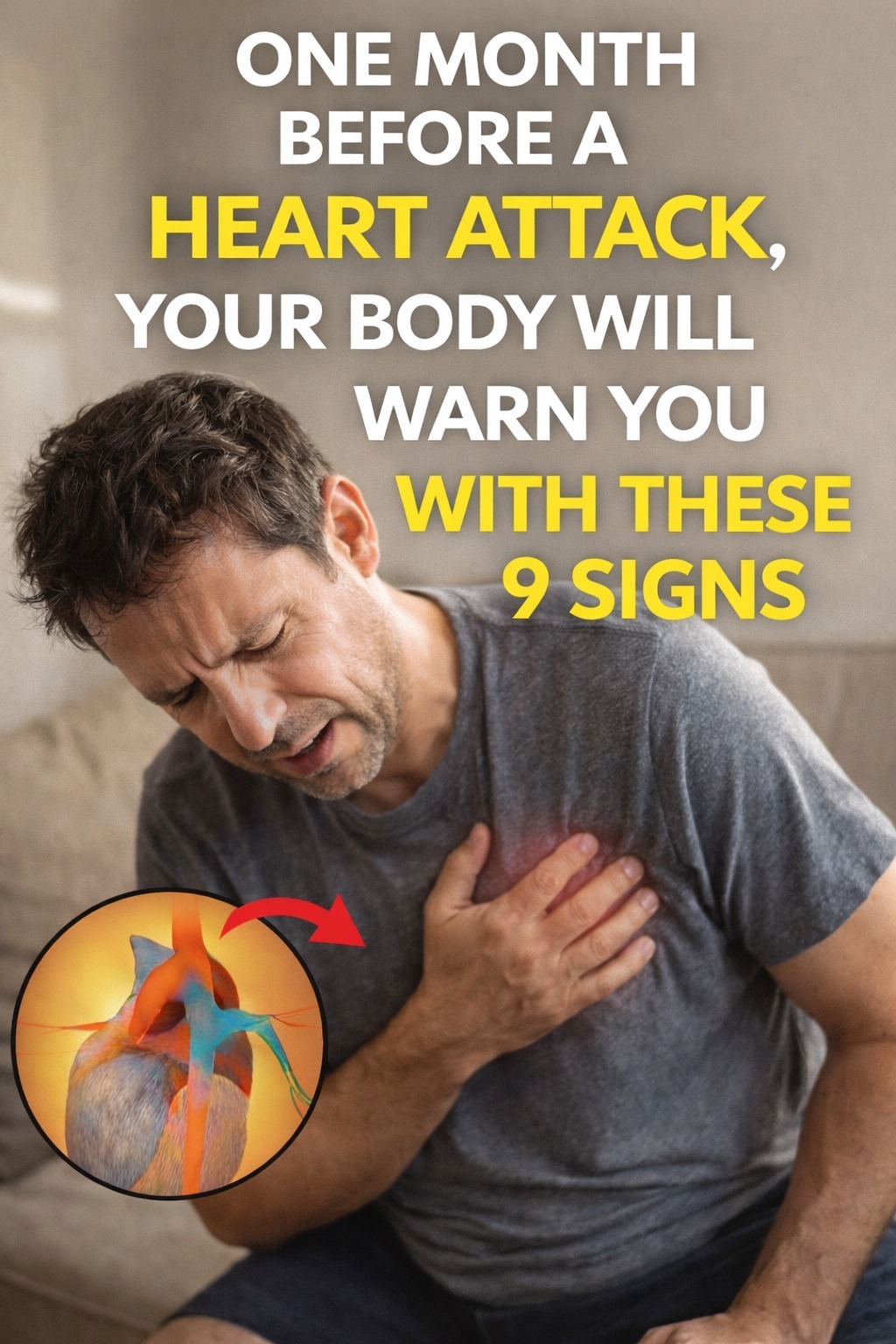
5. Pain or Discomfort in Unexpected Areas
Discomfort in the jaw, neck, back, shoulders, or even stomach can signal heart-related issues. The American Heart Association notes that pain radiating to these areas is common, especially in women.
These “atypical” signs can appear intermittently weeks ahead.
6. Unexplained Anxiety or a Sense of Doom
A sudden feeling of unease, like something bad is about to happen, is reported by some people. Reduced blood flow can trigger this response from the brain.
It’s not just “nerves”—it can be your body’s way of alerting you.
7. Dizziness or Lightheadedness
Feeling woozy when standing up quickly or during mild activity? This may happen as your heart has trouble maintaining steady blood pressure and flow.
Combined with other signs, it’s worth noting.
8. Nausea, Indigestion, or Stomach Upset
Many describe a persistent “upset stomach” or nausea without an obvious cause. This can mimic heartburn but stems from heart strain.
Research shows gastrointestinal complaints as part of early warning patterns.
9. Cold Sweats or Clammy Skin
Breaking out in a cold sweat, even in cool weather or during rest, is another clue. It often pairs with other symptoms like fatigue or chest discomfort.
Practical Steps to Support Your Heart Health Starting Today
You don’t have to wait for symptoms to act. Here are simple, evidence-based habits to promote better heart health:
- Monitor your symptoms — Keep a quick journal of how you feel each day, noting fatigue, breathlessness, or discomfort.
- Move more — Aim for at least 30 minutes of moderate activity most days, like brisk walking.
- Eat heart-friendly foods — Focus on fruits, vegetables, whole grains, and lean proteins while limiting processed foods and salt.
- Manage stress — Try deep breathing, meditation, or talking to someone you trust.
- Schedule regular check-ups — Share any subtle changes with your doctor for personalized advice.
These small changes add up and can help reduce risk factors over time.
Frequently Asked Questions (FAQ)
Can everyone experience these signs weeks before a heart event? No, some heart attacks happen suddenly without prior warnings. However, many people do report subtle changes, and recognizing them can encourage timely medical attention.
Are these signs different for men and women? Yes, women often experience more atypical symptoms like fatigue, nausea, or back pain, while chest discomfort is common in both. Always take any unusual changes seriously.
What should I do if I notice several of these signs? Contact a healthcare professional right away. Early evaluation can help assess your heart health and prevent complications.
This article is for informational purposes only and is not a substitute for professional medical advice. If you experience any concerning symptoms, seek immediate medical attention from a qualified healthcare provider. Do not delay care based on this content.
